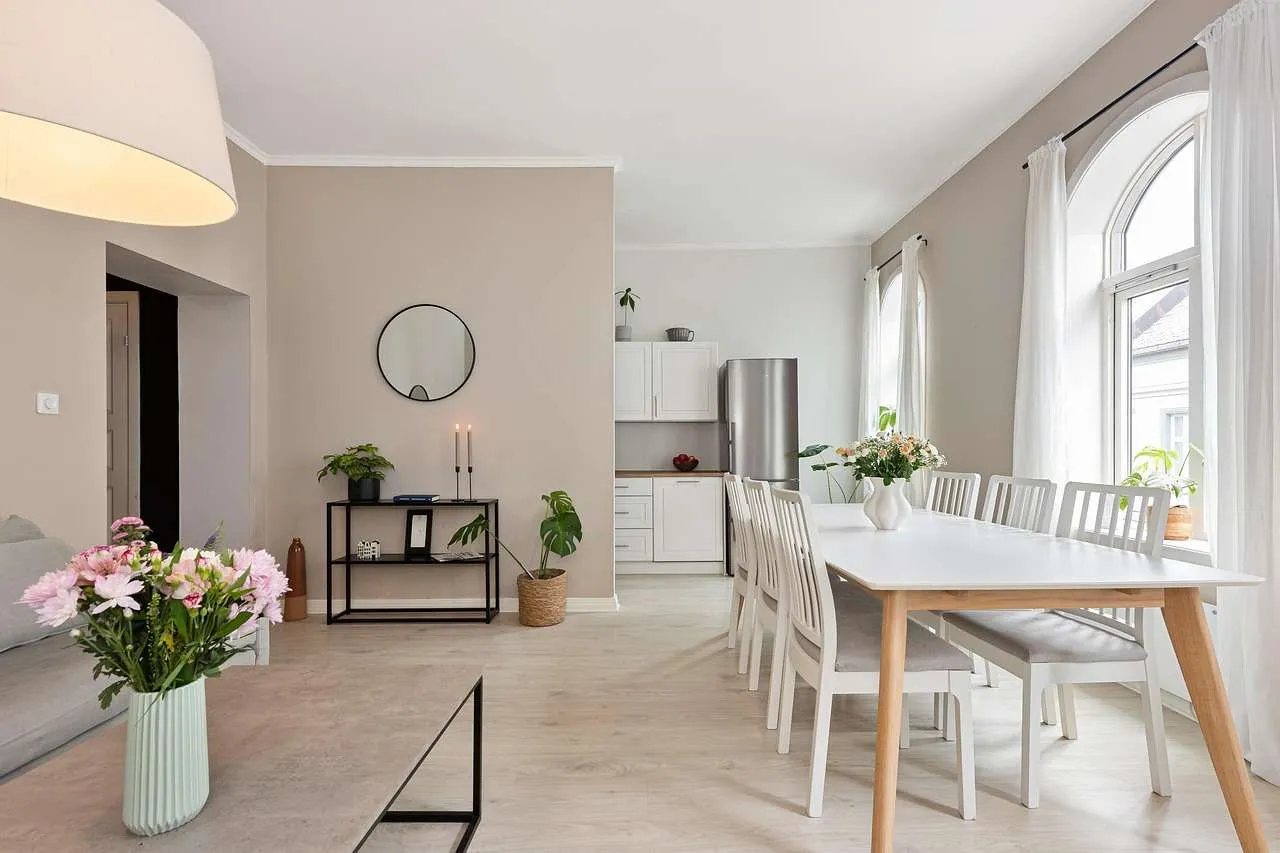
As homeowners search for home window tinting near me, reliability, quality film, and lasting results matter. This guide helps you understand what to look for, how to compare local providers, and what to expect from installation and warranty.
What is home window tinting?
Residential window tinting uses a thin film applied to interior surfaces of windows to control heat, glare, UV exposure, and privacy. Films can be dyed, metallized, ceramic, or hybrid, each with distinct performance and cost profiles.
Benefits of home window tinting
Energy efficiency and comfort
Films reduce solar heat gain, lowering cooling loads in summer and helping maintain consistent indoor temperatures year-round. This can translate to lower energy bills and improved comfort, especially in sun-drenched rooms.
UV protection, glare reduction, and privacy
Most window films block up to 99% of UV rays, protecting furnishings from fading and reducing glare on screens. Some films offer increased privacy without sacrificing natural light.
How to find home window tinting near me
Start with an online search and map results for home window tinting near me. To choose wisely, verify credentials and experiences of local installers:
- Licensing and insurance: ask for proof and confirm coverage for residential work.
- Brand- and installer-certified: look for technicians trained by major film manufacturers and an established local portfolio.
- Reviews and portfolio: read recent customer reviews and view photo galleries of completed homes.
- Warranty and service: understand film warranty terms and post-installation support.
- In-home consultation: request an on-site assessment and written quote.
Types of window film
Choosing the right film depends on your goals, climate, and budget. The table below summarizes common residential options.
| Type | Appearance | UV Rejection | Heat Rejection | Typical Cost | Pros | Cons |
|---|---|---|---|---|---|---|
| Dyed window film | Tinted but clear, may darken over time | Good | Moderate | $5–$8 per sq ft | Low beginner cost | Prone to fading; lower longevity |
| Metalized film | Reflective glow | Very good | High | $6–$10 per sq ft | Excellent glare control | May interfere with electronics |
| Ceramic film | Clear and modern look | Excellent | Excellent | $8–$12 per sq ft | Best performance; non-metallic | Higher install cost |
| Hybrid film | Balanced appearance | Good | Good | $7–$11 per sq ft | Strong performance, less price | Average durability |
| Decorative/privacy film | Opaqueness varies; patterns | Varies | Low | $4–$9 per sq ft | Privacy with style | Limited heat control |
Choosing the right tint and darkness
For residential uses, consider visible light transmission (VLT) percentages and local regulations. Higher VLT films preserve daylight, while darker films improve privacy and glare control. Some states or cities impose limits on reflectivity or permissible window film darkness for residences; always verify with local codes and HOA guidelines if applicable.
Installation process and timeline
A typical project includes an in-home consultation, film selection, precise measurements, surface prep, application, and curing. Most homes can be completed within one to two days, depending on window count and access. A professional installer will prepare the glass, remove any moisture, apply the film with precision, trim edges, and inspect for air bubbles before final curing.
Maintenance and warranties
Maintaining tint film is simple: use non-ammonia glass cleaners, soft cloths, and avoid abrasive pads. Allow curing time as recommended by the installer before cleaning windows. Warranties vary by film and installer but typically cover peeling, bubbling, or adhesive failure for 10– lifetime years in many cases. Read the warranty carefully to understand coverage windows and exclusions.
Cost considerations and value
Costs depend on window size, film type, and installation complexity. Expect installed costs in the range of roughly $5 to $12 per square foot, with larger or irregular windows increasing total price. Although ceramic films cost more upfront, they often deliver the best long-term energy savings and durability. When evaluating quotes, request energy-savings data or a performance specification sheet from the manufacturer.
Conclusion
Summary: By choosing a qualified local installer, selecting the right film, and understanding costs, you can achieve comfort, privacy, and energy savings from home window tinting near me.