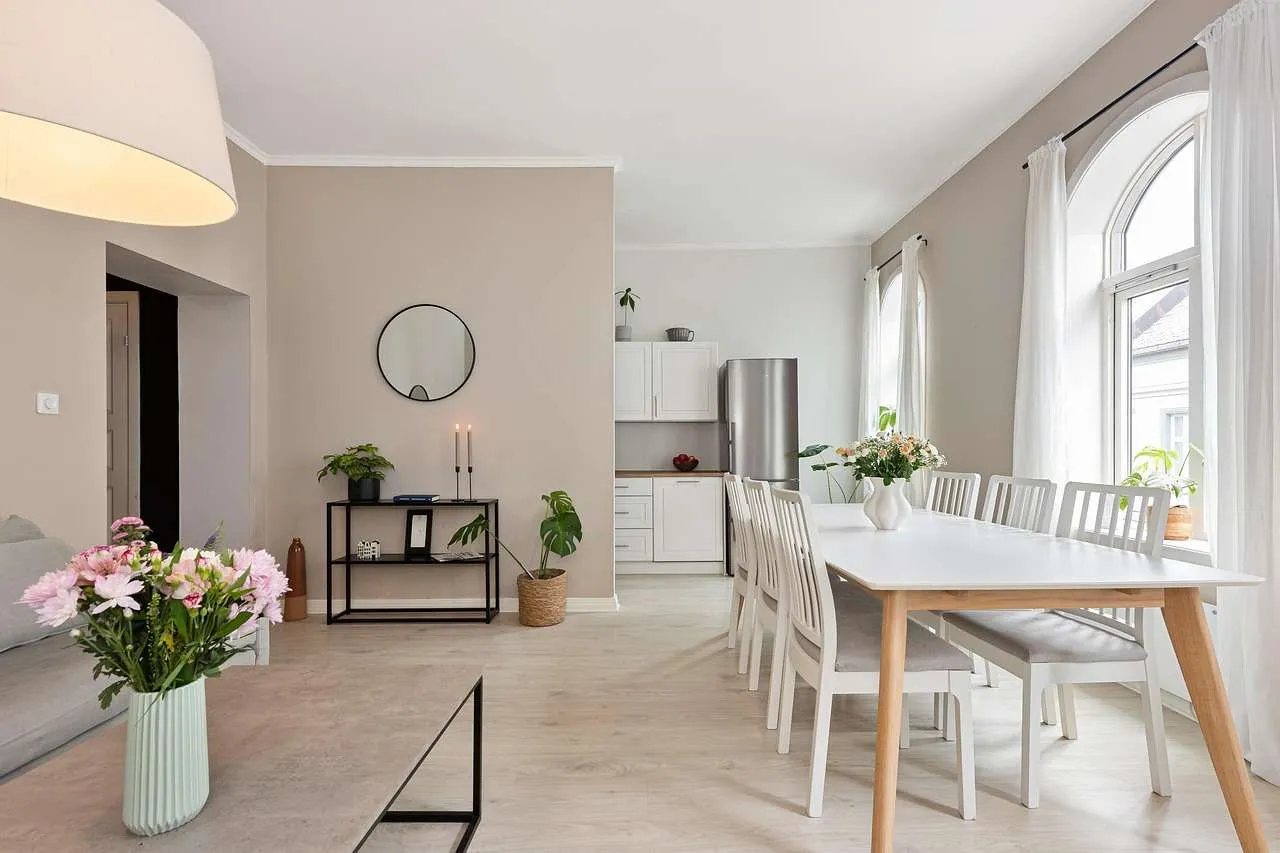
Home window tinting is a practical upgrade that applies a protective film to interior or exterior glass. Beyond aesthetics, tinting reduces heat transfer, blocks harmful UV rays, and lowers glare, making indoor spaces more comfortable year-round. This guide, based on industry standards and installer experience, explains how to choose a film, what to expect during installation, and how to maximize value.
Why home window tinting matters
Energy efficiency is a common driver. A high-quality tint can reflect infrared heat in summer and retain interior warmth in winter, reducing HVAC load and potentially lowering utility bills. UV rejection protects furnishings, flooring, and artwork from fading and helps protect occupants from sun exposure. Reduced glare improves viewing comfort for screens and reads, while privacy is enhanced without sacrificing daylight.
Energy savings and comfort
Even modest tint levels can cut solar heat gain significantly. For homes with large south-, east-, or west-facing windows, tint reduces peak cooling loads and can smooth indoor temperature swings.
UV protection and interior preservation
Most window films block 99%+ of UV-A and UV-B, preserving carpets and furniture and reducing skin exposure risk indoors.
Safety and privacy
Some films add a layer of shatter resistance and make it harder for burglars to see inside, while still allowing natural daylight if you choose light-tinted options.
Choosing the right film
Dyed films
Dyed films are affordable and effective at reducing glare, but they can fade over time and are less heat-rejecting than ceramic or metalized options.
Metalized films
Metalized films reflect heat and offer good glare control, but they can interfere with electronics and GPS in the glass, and may look mirrored from the outside at night.
Ceramic films
Ceramic films offer strong heat rejection, excellent clarity, and minimal interference with signals. They are typically more expensive but durable and color-stable.
Carbon films
Carbon films provide strong heat rejection without excessive reflectivity, preserving a natural look while offering durability and anti-fade properties.
Hybrid and other options
Hybrid films combine elements of dyed and metalized layers to balance performance and aesthetics, often with improved durability and reduced hotspot issues.
Considerations before tinting
- Local laws and HOA rules dictate permissible tint levels for residential windows.
- Choose the right VLT (visible light transmission) to balance daylight and privacy.
- Climatic conditions and window orientation influence the best film choice.
- Warranty and installation quality are critical for long-term performance.
Professional installation vs DIY
Most home window tinting projects benefit from professional installation. Experts assess solar gain, ensure a bubble-free finish, apply edge sealants, and guarantee film performance for the life of the window. A skilled installer will also help with permit considerations and legal compliance.
Maintenance and care
To preserve clarity, clean with a soft cloth and a non-ammonia cleaner. Avoid abrasive pads and high-alkaline solutions that can degrade the adhesive. Regular checks for edge lift and warranty registration help ensure durability.
Cost, ROI, and warranties
Costs vary by film type, window size, and labor. Ceramic and carbon films typically carry higher upfront costs but offer greater energy savings and UV protection, contributing to ROI over time. Look for warranties that cover fading and adhesive failure for 10–15 years.
Comparison of common window film types
| Type | Benefits | Drawbacks | Best For |
|---|---|---|---|
| Dyed | Affordable glare control; basic privacy | Can fade; moderate heat rejection | Budget projects with emphasis on privacy |
| Metalized | Excellent heat rejection; strong glare reduction | Potential interference with electronics; reflective look | Heavily sunlit rooms with electronics nearby |
| Ceramic | Top heat rejection; high clarity; low reflectivity | Higher cost | Premium comfort and optimal visibility |
| Carbon | Good heat rejection; non-reflective | Moderate cost | Natural appearance with energy savings |
| Hybrid | Balanced performance; durable | Mid-range price | Balanced budgets and performance needs |
Conclusion, Home window tinting delivers energy savings, UV protection, and improved comfort when installed correctly. By selecting the right film type, considering climate and regulations, and choosing a reputable installer with a solid warranty, you maximize long-term value and satisfaction.